Introduction
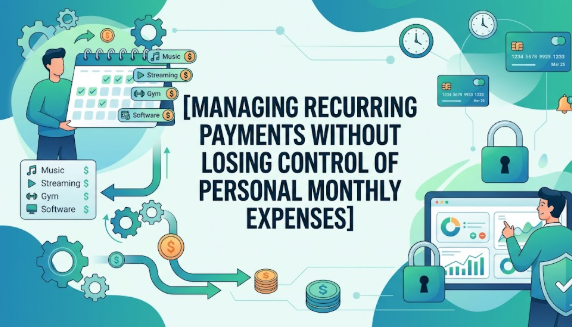
Small monthly payments often look harmless, but they can quietly disturb personal budgets when people stop noticing them. A streaming plan, mobile app, cloud storage service, gym membership, software renewal, credit card add-on, or online learning subscription may seem affordable alone, but many such payments together can reduce savings and increase financial stress. Beginners often feel confused because recurring payments are automatic, spread across different apps, and sometimes hidden in bank or card statements. Poor understanding can lead to overspending, missed cancellations, unnecessary borrowing, and weak monthly planning. This blog explains Why Recurring Payments Are Hard to Control in simple language, how they affect real-life money decisions, and how readers can manage them with practical steps, checklists, tools, and disciplined review habits.
Understanding Why Recurring Payments Are Hard to Control in Simple Words
Recurring payments are repeated charges that happen automatically after a fixed period. They may be monthly, quarterly, yearly, or usage-based. These payments are common for subscriptions, memberships, insurance premiums, loan EMIs, software tools, mobile plans, cloud storage, entertainment apps, and business services.
The main reason recurring payments are hard to control is that they continue without daily permission. Once a user adds a card, UPI mandate, auto-debit instruction, or online payment method, the charge may keep happening until it is paused, cancelled, or changed. This creates convenience, but it also creates a risk of forgetting.
People search for this topic because they often feel their money is disappearing even when they are not making big purchases. The problem is not always one large expense. Many times, the issue is a group of small recurring expenses that slowly reduce savings.
For example, a salaried person may pay for two streaming platforms, one fitness app, a music app, cloud storage, a learning platform, and a premium news app. Each one may look small, but together they can become a noticeable monthly burden.
A common misunderstanding is that recurring payments are always bad. They are not. Rent, insurance, education fees, business tools, and SIP investments can also be recurring payments. The real issue is not repetition itself. The issue is uncontrolled repetition without review.
The practical takeaway is simple: recurring payments should be tracked, reviewed, compared, and cancelled when they no longer provide enough value.
Why Why Recurring Payments Are Hard to Control Is Important
Understanding Why Recurring Payments Are Hard to Control is important because it directly affects savings, borrowing, investing, tax planning, and long-term financial discipline. When people do not track automatic payments, they may think they have more money available than they actually do.
For savings, recurring expenses reduce the amount left at the end of the month. For borrowing, they can make loan repayment harder because the person may already have multiple automatic deductions. For investing, uncontrolled subscriptions may reduce the money available for SIPs, emergency funds, or long-term goals. For trading and crypto, weak budgeting can push people to take risky decisions using money they should have kept for essential expenses. For small business owners, recurring software and service renewals can affect cash flow if not reviewed properly.
Recurring payments also affect emotional decision-making. People may feel frustrated when bank balances drop unexpectedly. This frustration can lead to panic borrowing, delayed bill payments, or cutting important expenses while ignoring unnecessary subscriptions.
A practical scenario is a person who earns a stable salary but still struggles before month-end. After checking statements, they find several small subscriptions they barely use. By reviewing and cancelling low-value services, they improve monthly control without needing extra income.
The better approach is to treat recurring payments as fixed commitments, not casual expenses. Every recurring payment should have a purpose, review date, and value check.
The Real Problem Readers Face With Recurring Payments
The real problem with recurring payments is not only the payment itself. The bigger issue is lack of awareness. Many people sign up quickly but do not create a system to remember renewal dates, cancellation rules, or actual usage.
Online advice often makes the problem more confusing. Some people suggest cancelling every subscription, while others say small expenses do not matter. Both views can be incomplete. The right approach depends on income, priorities, financial goals, usage, and value.
Emotional decisions also play a role. People subscribe because they feel motivated, excited, bored, stressed, or influenced by friends. A person may buy a fitness app after deciding to improve health, a course after watching a career video, or a premium tool after seeing a discount. The problem starts when motivation reduces but payment continues.
Poor planning makes recurring payments harder to manage. If all charges happen on different dates, the budget becomes unclear. Weak comparison also creates waste. A person may pay for two tools that do almost the same thing.
Another problem is not reading terms and conditions. Some services offer free trials but charge automatically after the trial ends. Some yearly plans renew at a higher amount. Some cancellations are easy, while others require extra steps.
Depending only on social media advice can also be risky. A creator may recommend an app or subscription, but the reader’s financial situation may be different.
The better approach is to build a personal recurring payment review system. This includes checking bank statements, listing active payments, asking whether each one is useful, and cancelling anything that no longer supports real needs.
How Recurring Payments Work Step by Step
Step 1: A Service Offers Continuous Access
Recurring payments usually begin when a service offers ongoing access. This may include entertainment, software, insurance, education, fitness, cloud storage, banking products, or business tools.
It matters because the user is not paying for a one-time purchase. They are agreeing to repeated access. Beginners should apply this by asking, “Will I use this regularly enough to justify repeated payment?”
For example, paying monthly for a budgeting app may be useful if it helps track expenses. The common mistake is subscribing because the first month looks cheap. The better approach is to check long-term value before adding payment details.
Step 2: The User Adds a Payment Method
The next step is adding a card, bank account, wallet, or auto-debit permission. This makes payment easy, but it also reduces friction.
It matters because automatic deductions happen without the user manually approving every payment. Beginners should apply this by recording every service linked to their card or bank account.
For example, a student may add a debit card for an online course platform. The mistake is forgetting that the platform may renew automatically. The better approach is to note the renewal date immediately.
Step 3: The Payment Repeats on a Schedule
The service charges the user at fixed intervals. The amount may be monthly, yearly, or based on usage.
It matters because payment timing affects cash flow. Beginners should apply this by placing recurring payments near salary dates or keeping enough balance.
For example, if five subscriptions renew in the last week of the month, it may create pressure. The mistake is ignoring payment dates. The better approach is to create a monthly calendar of deductions.
Step 4: The User Stops Noticing the Charge
After some time, recurring payments become invisible. The user may not feel the pain of payment because no active decision is required.
It matters because unnoticed expenses are harder to control. Beginners should apply this by reviewing bank and card statements every month.
For example, a person may pay for cloud storage even after switching to another service. The mistake is assuming small payments do not matter. The better approach is to check usage against cost.
Step 5: Multiple Payments Create Budget Leakage
One recurring payment may be manageable, but many together can create a serious budget leak.
It matters because financial stress often comes from combined expenses, not one single charge. Beginners should apply this by adding all recurring payments into one total amount.
For example, five low-cost apps may together equal an important utility bill. The mistake is reviewing each subscription separately. The better approach is to review total recurring expense as one category.
Step 6: Cancellation Becomes Delayed
Many users delay cancellation because they think they may use the service later. This creates ongoing waste.
It matters because unused payments reduce savings. Beginners should apply this by cancelling services they have not used recently or moving them to a lower plan.
For example, a person may keep a gym membership “just in case” but never attend. The mistake is paying for intention instead of usage. The better approach is to pay for actual habits, not future hope.
Step 7: The Budget Becomes Unclear
When recurring payments are not tracked, people may not know their real disposable income.
It matters because poor visibility can lead to overspending, borrowing, or delayed savings. Beginners should apply this by separating fixed, variable, and optional recurring payments.
For example, rent and insurance are essential, but an unused premium app is optional. The mistake is treating all automatic payments as unavoidable. The better approach is to classify them by need and value.
Step 8: Monthly Review Restores Control
The final step is building a review habit. Recurring payments become manageable when reviewed regularly.
It matters because money control improves through repeated awareness. Beginners should apply this by checking subscriptions at least once a month.
For example, a family may review all household payments on salary day. The mistake is waiting until financial stress appears. The better approach is proactive review before the budget breaks.
Key Factors That Influence Recurring Payments
Income
Income decides how much space a person has for recurring expenses. A payment that feels small for one person may be heavy for another. The better approach is to keep recurring expenses within a planned budget instead of comparing with others.
Expenses
Recurring payments must be seen with total monthly expenses. Rent, groceries, transport, electricity, insurance, EMIs, and school fees may already consume a large part of income. The mistake is adding subscriptions without checking existing commitments.
Needs vs Wants
Some recurring payments support needs, while others support wants. Internet, insurance, and essential work tools may be necessary. Extra entertainment apps may be optional. The better approach is not to cancel blindly but to separate priority from habit.
Savings
Recurring expenses reduce savings when they are not controlled. If a person saves only what is left after spending, subscriptions can quietly reduce savings. A better approach is to save first, then decide optional spending.
Emergency Fund
Emergency money should not be affected by unnecessary recurring payments. If subscriptions are preventing emergency savings, they need review. The common mistake is keeping lifestyle expenses active while having no safety fund.
Debt Control
Loan EMIs, credit card bills, and buy-now-pay-later payments are also recurring obligations. If these combine with optional subscriptions, financial pressure increases. The better approach is to prioritize debt repayment and reduce low-value payments.
Lifestyle Inflation
As income grows, people often add more subscriptions and memberships. This feels comfortable at first but may stop savings from growing. The better approach is to review lifestyle upgrades before making them permanent.
Monthly Review
Recurring payments become difficult when people do not review them. A monthly review helps identify unused services, duplicate tools, and unnecessary renewals. The mistake is checking only account balance, not spending categories.
Detailed Breakdown of Recurring Payments
Income Tracking
Income tracking means knowing exactly how much money comes in every month. Salaried people may have stable income, while freelancers and small business owners may have variable income. Recurring payments are easier to manage when income is clear.
The mistake is assuming income is enough without calculating fixed commitments. The better approach is to list income first, then subtract essentials, savings, debts, and optional recurring payments.
Expense Categories
Recurring payments should be grouped into categories such as housing, utilities, loans, insurance, education, entertainment, health, business tools, and digital services. This helps readers see where money is going.
The mistake is keeping all automatic payments mixed in one bank statement. The better approach is to create categories so unnecessary spending becomes visible.
Needs vs Wants
A need is something important for basic living, work, health, safety, or legal responsibility. A want is something that improves comfort but is not essential. Recurring payments often become hard to control because wants are disguised as needs.
For example, internet may be a need for work, but three entertainment subscriptions may be wants. The better approach is to keep wants only when they provide regular value.
Emergency Fund
An emergency fund protects against sudden expenses such as medical bills, job loss, urgent travel, or home repairs. If recurring payments prevent emergency savings, the budget is weak.
The mistake is paying for services that are rarely used while having no financial cushion. The better approach is to build emergency savings before increasing optional subscriptions.
Saving Habits
Saving should be planned, not accidental. Recurring payments reduce savings when they are allowed to grow without limits.
A useful method is to decide a monthly saving amount first. After that, optional payments should fit within the remaining budget. This prevents subscriptions from taking priority over financial goals.
Debt Control
Debt payments are serious recurring obligations. Credit card minimum payments, personal loan EMIs, education loans, and business borrowing must be tracked carefully.
The mistake is treating debt payments and entertainment subscriptions with the same importance. The better approach is to prioritize debt obligations and reduce optional payments if repayment pressure increases.
Monthly Review
A monthly review helps people check active payments, upcoming renewals, usage, and value. It also creates financial discipline.
The mistake is reviewing only when money becomes tight. The better approach is to schedule a fixed review date every month, such as salary day or the first weekend.
Goal-Based Planning
Recurring payments should support goals, not distract from them. Goals may include saving for education, buying a house, building an emergency fund, investing regularly, or reducing debt.
The better approach is to ask whether each recurring payment supports a real goal. If it does not, it should be reduced, paused, or cancelled.
Lifestyle Inflation
Lifestyle inflation happens when expenses rise as income rises. Recurring payments are a common cause because each new subscription feels small.
The mistake is upgrading plans every time income improves. The better approach is to increase savings along with income before increasing recurring lifestyle expenses.
Small Spending Leaks
Small recurring charges are easy to ignore. However, many small leaks together can weaken the budget. These may include app subscriptions, unused memberships, premium add-ons, extra cloud storage, or trial renewals.
The better approach is to review small payments with the same seriousness as big payments because both affect total cash flow.
Financial Discipline
Financial discipline does not mean avoiding all comfort. It means knowing what you pay for, why you pay for it, and whether it still serves you.
The mistake is making payment decisions emotionally. The better approach is to use written rules, review dates, and value checks.
Building Better Money Habits
Better money habits begin with awareness. Beginners should list recurring payments, mark renewal dates, check actual usage, and cancel what does not help.
The goal is not extreme cutting. The goal is intentional spending.
Reviewing Progress Regularly
Recurring payments should be reviewed regularly because needs change. A service that was useful three months ago may not be useful today.
The better approach is to ask three questions: Do I use it? Do I need it? Does it fit my budget?
Common Mistakes Beginners Make With Recurring Payments
Following Random Advice
Beginners often follow advice from friends, influencers, or online posts without checking their own budget. This is risky because every person has different income, needs, and goals. The better approach is to use advice as input, not as a final decision.
Ignoring Risk
People often think small recurring payments are harmless. The risk is that many small payments can reduce savings and increase financial pressure. The better approach is to check total monthly recurring cost.
Not Comparing Options
Some users keep paying for expensive plans when cheaper or free alternatives may be enough. The mistake happens because comparison takes effort. The better approach is to compare features, usage, cancellation rules, and total cost.
Trusting Fake Profit Claims
Some recurring services promise trading signals, crypto profits, betting systems, or quick financial success. Such claims can be risky. The better approach is to avoid any service that suggests guaranteed money or risk-free results.
Ignoring Hidden Charges
Some services may include taxes, add-ons, renewal changes, or extra usage charges. The mistake is checking only the first payment amount. The better approach is to read billing terms before subscribing.
Making Emotional Decisions
People subscribe when excited, stressed, bored, or afraid of missing out. Emotional decisions often create unused payments. The better approach is to wait, compare, and decide calmly.
Using Emergency Money for Risky Activities
Emergency funds should not be used for trading, crypto speculation, casino activity, or unnecessary subscriptions. The risk is losing financial safety. The better approach is to keep emergency money separate.
Not Reading Terms and Conditions
Free trials, cancellation rules, renewal periods, and refund policies matter. The mistake is clicking agree without reading. The better approach is to check important terms before entering payment details.
Sharing Sensitive Personal or Financial Information
Some fake apps or websites may misuse personal data. The better approach is to use trusted platforms, avoid suspicious links, and never share passwords, OTPs, private keys, or sensitive details.
Ignoring Tax, Legal, or Compliance Responsibilities
Some recurring payments related to business, investing, crypto, or professional services may have tax or documentation relevance. The better approach is to keep records and consult a qualified professional when needed.
Depending Only on Social Media Advice
Social media can create pressure to buy courses, tools, apps, or memberships. The better approach is to check personal need, budget, and credibility before subscribing.
Acting in Panic, Greed, or Pressure
Urgency-based offers can push people into recurring plans. The better approach is to avoid decisions made under pressure and review the payment calmly.
Don’t Do This Checklist
- Do not subscribe only because the first month is cheap.
- Do not ignore renewal dates.
- Do not keep unused services active for months.
- Do not share OTPs, passwords, card details, or private keys.
- Do not use emergency money for risky subscriptions or speculation.
- Do not trust guaranteed profit claims.
- Do not assume every automatic payment is necessary.
- Do not depend only on social media recommendations.
- Do not ignore cancellation and refund rules.
- Do not forget to review yearly renewals.
Practical Real-Life Examples of Recurring Payments
Example 1: Salaried Person Managing Month-End Pressure
A salaried employee feels short of money before salary day. The challenge is not one big expense but several small automatic payments. The better action is to list all subscriptions and cancel unused ones. The learning is that recurring payments must be reviewed as one monthly category.
Example 2: Student Using Learning Platforms
A student subscribes to three online learning platforms but actively uses only one. The mistake is paying for motivation instead of real study habits. The better action is to keep the most useful platform and pause others. The learning is that value matters more than the number of subscriptions.
Example 3: Small Business Owner Paying for Software Tools
A small business owner pays for multiple software tools with similar features. The challenge is duplicate spending. The better action is to review actual business use and keep only necessary tools. The learning is that recurring business payments should support productivity and cash flow.
Example 4: Beginner Investor Paying for Tip Services
A beginner investor subscribes to a stock tips service expecting easy profits. The mistake is trusting advice without understanding risk. The better action is to learn basics, use credible research, and avoid guaranteed return claims. The learning is that recurring payments should not replace financial knowledge.
Example 5: Crypto Beginner Joining Paid Signal Groups
A crypto beginner joins paid groups that promise high returns. The challenge is misinformation and emotional pressure. The better action is to avoid risky claims, protect wallet details, and learn about volatility. The learning is that recurring payments in risky areas need extra caution.
Two Useful Tables for Better Understanding
Table 1: Recurring Payment Type vs Budget Impact
| Recurring Payment Type | Common Use | Possible Budget Impact | Better Approach |
|---|---|---|---|
| Essential bills | Rent, electricity, internet | Necessary monthly commitment | Plan first before optional spending |
| Loan or EMI payments | Personal loan, credit card, education loan | Can create repayment pressure | Track due dates and repayment capacity |
| Insurance premiums | Health, life, vehicle insurance | Important for protection | Review coverage and renewal terms |
| Entertainment subscriptions | Streaming, music, gaming | Can become unnecessary if unused | Keep only services used regularly |
| Software tools | Work apps, business tools, cloud storage | Useful but may duplicate features | Compare usage and remove overlap |
| Free trial renewals | Apps, courses, premium services | Surprise charges after trial | Set reminders before trial ends |
Table 2: Beginner Mistake vs Better Money Habit
| Beginner Mistake | Why It Happens | What Can Go Wrong | Better Money Habit |
|---|---|---|---|
| Forgetting subscriptions | Payments happen automatically | Money goes out unnoticed | Review statements monthly |
| Keeping unused plans | Hope of using later | Long-term budget leakage | Cancel or pause unused services |
| Ignoring renewal dates | No reminder system | Unexpected deductions | Maintain a payment calendar |
| Not reading terms | Fast sign-up process | Cancellation or refund issues | Check billing rules first |
| Paying for duplicate tools | Poor comparison | Wasteful spending | Compare features and usage |
| Using credit for subscriptions | Lifestyle pressure | Debt burden increases | Spend within cash flow |
Tools, Methods, and Frameworks Readers Can Use
Budget Tracker
A budget tracker is a simple record of income, expenses, savings, and recurring payments. It helps beginners see where money goes. Readers can use a notebook, spreadsheet, or budgeting app. This avoids the mistake of depending only on memory.
Recurring Payment List
This is a list of every automatic payment, including amount, date, purpose, and payment method. It helps identify unused services and duplicate payments. Beginners can update it whenever they subscribe to something new. This avoids forgotten renewals.
Monthly Money Review System
A monthly review system is a fixed habit of checking income, expenses, savings, debts, and subscriptions. It helps people take control before problems grow. Beginners can do this on salary day or month-end. This avoids last-minute financial stress.
Subscription Value Test
This method asks whether a service is used, needed, affordable, and better than alternatives. It helps remove emotional spending. Beginners can rate each subscription as keep, reduce, pause, or cancel. This avoids paying for services that do not add value.
Payment Calendar
A payment calendar shows due dates for EMIs, bills, subscriptions, insurance, and renewals. It helps prevent surprise deductions. Beginners can use phone reminders or a simple calendar. This avoids missed planning.
Expense Sheet
An expense sheet separates spending into fixed, variable, and optional categories. It helps show whether recurring payments are too high. Beginners can update it weekly. This avoids confusion between needs and wants.
Goal Planner
A goal planner connects money decisions with goals such as emergency funds, debt repayment, education, travel, investing, or business growth. It helps readers decide whether subscriptions support or harm priorities. This avoids short-term spending that blocks long-term goals.
Risk Checklist
A risk checklist helps users review scams, hidden charges, data privacy, cancellation terms, and financial pressure before subscribing. It is especially useful for finance apps, trading tools, crypto platforms, and paid communities. This avoids unsafe decisions.
Expert Tips to Make Better Decisions
1. List Every Recurring Payment
This matters because many people underestimate how many automatic payments they have. To apply it, check bank statements, card statements, UPI mandates, app stores, wallets, and email receipts. A written list creates clarity.
2. Review Total Monthly Cost
One subscription may look small, but total recurring cost can be heavy. Add all payments together instead of judging them one by one. This helps you understand the real monthly burden.
3. Separate Needs From Wants
Needs protect basic living, work, health, or safety. Wants improve comfort or entertainment. Apply this by marking each payment as essential, useful, optional, or unnecessary.
4. Cancel Unused Services Quickly
Unused services quietly waste money. If you have not used a service for a reasonable period, pause or cancel it. This prevents paying for intention instead of actual usage.
5. Set Renewal Reminders
Renewal reminders prevent surprise charges. Add reminders before free trials, yearly plans, insurance renewals, and software renewals. This gives time to decide calmly.
6. Avoid Guaranteed Profit Services
Recurring payments for trading tips, crypto signals, casino systems, or quick-money claims can be risky. Avoid any service that overpromises. Financial decisions should be based on learning, risk review, and verified information.
7. Keep Emergency Money Separate
Emergency money should not be used for optional subscriptions or risky activities. Keep it in a separate account or clearly marked fund. This protects financial safety.
8. Compare Before Upgrading
Upgraded plans often look attractive but may include features you do not need. Compare actual usage before moving to a higher plan. This avoids lifestyle inflation.
9. Use One Main Payment Method
Using too many cards and wallets makes tracking difficult. Keep recurring payments on one main card or account where possible. This makes review easier.
10. Read Cancellation Terms
Before subscribing, check how cancellation works. Some services renew automatically or have limited refund rules. Reading terms helps avoid frustration later.
11. Review Business Subscriptions Separately
Small business owners should separate personal and business recurring payments. This improves cash flow awareness and record keeping. It also helps during accounting and tax preparation.
12. Build a Monthly Review Habit
Control comes from consistency. Review payments monthly, even when money feels comfortable. This helps prevent small leaks from becoming long-term problems.
Case Studies: How Better Understanding Changes Decisions
Case Study 1: Salaried Employee With Too Many Digital Subscriptions
Profile: Riya is a salaried employee who uses online entertainment, fitness apps, and learning platforms.
Situation: She notices that her savings are not growing even though her income is stable.
Problem: Several small recurring payments are active, but she uses only a few of them regularly.
Wrong Approach: She first thinks the solution is to stop all spending suddenly. This feels strict and unrealistic, so she avoids reviewing her budget.
Better Approach: She lists every recurring payment, marks each as essential, useful, optional, or unused, and cancels the unused services.
Result or Learning: She does not remove everything. She keeps services that add real value and reduces silent budget leakage.
Key Takeaway: Recurring payments become manageable when reviewed with purpose, not emotion.
Case Study 2: Freelancer Paying for Duplicate Work Tools
Profile: Aman is a freelancer who uses design, storage, invoicing, and project management tools.
Situation: His monthly income changes, but his software payments remain fixed.
Problem: He pays for tools with overlapping features, which creates cash flow pressure during low-income months.
Wrong Approach: He ignores the issue because each tool feels important individually.
Better Approach: He reviews actual usage, removes duplicate services, switches to lower plans where possible, and keeps a renewal calendar.
Result or Learning: His business expenses become clearer and easier to manage.
Key Takeaway: Business recurring payments should be reviewed based on usage, cash flow, and necessity.
Case Study 3: Beginner Investor Paying for Paid Tip Groups
Profile: Neeraj is new to investing and wants to learn faster.
Situation: He joins paid groups that share stock and crypto ideas.
Problem: The recurring membership fee continues, but the advice creates confusion and emotional decisions.
Wrong Approach: He follows random tips without understanding risk, research, or his own goals.
Better Approach: He stops depending on paid tips, starts learning basics, tracks his decisions, and avoids guaranteed return claims.
Result or Learning: He understands that paid access does not remove market risk.
Key Takeaway: Financial education is useful, but recurring payments should never replace independent understanding and risk awareness.
Risk Awareness: What Readers Must Check First
Budget Risk
Budget risk means recurring payments may reduce money available for essential expenses. It matters because automatic payments can create month-end pressure. Reduce this risk by tracking all fixed and optional payments.
Credit Risk
Credit risk appears when recurring payments are charged to credit cards and not paid fully. It matters because unpaid dues can increase debt pressure. Reduce this risk by using credit carefully and paying bills on time.
Interest Rate Risk
Some recurring payments are linked to loans or credit products. Interest costs can increase the total repayment burden. Reduce this risk by understanding repayment terms before borrowing.
Platform Risk
Platform risk means a service may change pricing, features, terms, or reliability. It matters because users may continue paying even when value reduces. Reduce this risk by reviewing services regularly.
Fraud Risk
Fake apps, fake investment groups, scam subscriptions, and phishing links can misuse money or data. Reduce this risk by avoiding suspicious offers, verifying platforms, and never sharing sensitive information.
Data Privacy Risk
Recurring services often store card, email, phone, and personal details. This matters because weak platforms may expose data. Reduce this risk by using trusted services and removing saved payment details from unused platforms.
Emotional Risk
Emotional risk happens when users subscribe due to excitement, pressure, fear, greed, or boredom. Reduce this risk by waiting before subscribing and reviewing whether the service fits real needs.
Tax or Compliance Risk
Some recurring payments related to business, investments, crypto, or professional services may need records for tax or accounting. Reduce this risk by saving invoices and consulting a qualified professional when needed.
Misinformation Risk
Paid communities and online advice can sometimes promote unrealistic claims. Reduce this risk by learning basics, checking credibility, and avoiding guaranteed profit promises.
Readers should always verify details, read terms, and consult qualified financial, tax, legal, or investment professionals where required.
Checklist Before Taking Action
- Have I listed all active recurring payments?
- Do I know the amount and renewal date of each payment?
- Is each payment essential, useful, optional, or unnecessary?
- Have I checked whether I actually use the service?
- Have I compared similar tools or plans?
- Have I reviewed cancellation and refund terms?
- Have I checked hidden charges, taxes, or add-ons?
- Is my emergency fund separate from optional spending?
- Am I avoiding fake profit or guaranteed return claims?
- Have I protected my personal and financial data?
- Have I reviewed loan, credit card, or EMI obligations first?
- Have I considered tax, legal, or compliance impact where needed?
- Have I prepared a written monthly money plan?
- Am I making this decision calmly, not emotionally?
- Should I consult a qualified professional before making a major financial decision?
Use this checklist before starting, renewing, upgrading, or cancelling any recurring payment. The goal is not to remove every payment but to make sure each payment has a clear purpose, fits the budget, and supports real needs.
Strategic Insights for Better Decision-Making
Lifestyle Inflation
Lifestyle inflation happens when spending rises with income. Recurring payments make this easy because every upgrade feels small. A beginner-friendly example is adding premium plans after a salary increase without increasing savings. The better approach is to raise savings first, then review lifestyle spending.
Spending Triggers
Spending triggers are emotions or situations that push people to subscribe. These may include boredom, stress, discounts, social media pressure, or fear of missing out. The better approach is to wait before subscribing and ask whether the service solves a real problem.
Saving Automation
Saving automation means transferring money to savings before spending. It helps protect financial goals from recurring expenses. Beginners can set a fixed saving amount soon after income is received. This reduces the chance of subscriptions consuming leftover money.
Emergency Fund Planning
An emergency fund should be built before increasing optional recurring payments. It protects against sudden expenses. Beginners can start small and grow the fund gradually. The better approach is to treat emergency savings as a priority payment.
Goal-Based Budgeting
Goal-based budgeting connects spending with specific financial goals. For example, if a person wants to save for education, debt repayment, or a home, recurring payments should not block that goal. The better approach is to review every subscription against the goal.
Habit-Based Money Management
Money control improves when good habits are repeated. A monthly review, renewal reminder, and subscription list create discipline. Beginners should avoid depending only on motivation. Systems are stronger than temporary excitement.
Subscription Rotation
Subscription rotation means using one service for a period, then cancelling or switching instead of keeping many similar services active. For example, a person may use one streaming platform at a time. This helps reduce duplicate spending.
Value-Based Spending
Value-based spending means paying for services that provide real benefit. The value may be education, health, work productivity, protection, or regular enjoyment. The better approach is to pay for active value, not passive access.
Key Terms Explained for Beginners
- Recurring Payment: A recurring payment is a repeated charge that happens automatically at a fixed interval, such as monthly or yearly.
- Subscription: A subscription gives continued access to a service or product in exchange for repeated payment.
- Auto-Debit: Auto-debit allows money to be deducted automatically from a bank account, card, or payment method.
- Renewal Date: Renewal date is the day when a subscription or plan charges again.
- Free Trial: A free trial allows temporary access without initial payment, but it may convert into a paid plan if not cancelled.
- Budget: A budget is a plan that shows income, expenses, savings, and financial priorities.
- Expense Tracking: Expense tracking means recording where money is spent so financial decisions become clearer.
- Needs: Needs are important expenses required for living, work, safety, health, or responsibility.
- Wants: Wants are comfort-based expenses that may be useful but are not essential.
- Emergency Fund: An emergency fund is money kept aside for sudden and important expenses.
- Cash Flow: Cash flow means money coming in and going out during a period.
- Debt Burden: Debt burden means repayment pressure caused by loans, credit cards, or other borrowings.
- Lifestyle Inflation: Lifestyle inflation happens when spending increases as income grows.
- Cancellation Policy: A cancellation policy explains how a user can stop a service and whether refund rules apply.
- Financial Discipline: Financial discipline means making planned money decisions instead of emotional or careless spending.
Who Should Read This Blog
Beginners
Beginners should read this blog to understand how automatic payments work and why they need regular review.
Students
Students can use this blog to avoid paying for unused learning apps, entertainment plans, or digital tools.
Salaried Employees
Salaried employees can learn how recurring payments affect monthly budgets, savings, and salary planning.
Small Business Owners
Small business owners can use this blog to review software tools, service renewals, and business cash flow.
New Investors
New investors can understand why paid tips, research tools, and financial subscriptions should be checked carefully.
Traders
Traders can learn why recurring signal services or platform tools should not replace risk management and learning.
Loan Seekers
Loan seekers can understand how existing recurring payments may affect repayment comfort and monthly planning.
Crypto Learners
Crypto learners can avoid risky paid groups, fake schemes, and unsafe platforms that charge recurring fees.
Casino Content Creators
Casino content creators can understand the need for responsible language, cost control, and transparency in paid tools or content services.
Finance Bloggers
Finance bloggers can use this topic to educate readers about budgeting, money leaks, and practical financial awareness.
People Improving Money Awareness
Anyone trying to improve money habits can use this blog to build a simple recurring payment control system.
People Trying to Avoid Financial Mistakes
Readers who often feel confused about where money goes can use this guide to identify silent budget leaks.
Frequently Asked Questions
1. What does Why Recurring Payments Are Hard to Control mean?
Why Recurring Payments Are Hard to Control means understanding why automatic charges become difficult to track. These payments continue without daily approval. They can quietly affect budgets if users do not review them regularly.
2. Why are recurring payments difficult for beginners?
Beginners often forget renewal dates, free trials, and small automatic deductions. They may not check bank statements closely. This makes recurring payments feel invisible until money becomes tight.
3. Are recurring payments always bad?
No, recurring payments are not always bad. Rent, insurance, internet, education, and useful work tools can be important. The problem starts when payments continue without value, review, or budget control.
4. How can I find all my recurring payments?
Check bank statements, card statements, UPI mandates, wallets, app stores, emails, and subscription settings. Write down each payment with amount, date, and purpose. This gives a clear picture of your recurring expenses.
5. How often should I review subscriptions?
A monthly review is useful for most people. You can also review before yearly renewals or after income changes. Regular review helps avoid forgotten payments and unnecessary spending.
6. What is the biggest mistake with recurring payments?
The biggest mistake is assuming small payments do not matter. One small payment may be fine, but many together can reduce savings. The better habit is to review total recurring cost.
7. How does Why Recurring Payments Are Hard to Control help with budgeting?
Why Recurring Payments Are Hard to Control helps readers understand hidden money leaks. Once recurring expenses are visible, budgeting becomes easier. It also helps people separate essential payments from optional ones.
8. Should I cancel all subscriptions to save money?
Not always. You should keep subscriptions that provide regular value and fit your budget. Cancel or pause services that are unused, duplicated, too expensive, or no longer useful.
9. Can recurring payments affect loan repayment?
Yes, recurring payments can reduce available monthly cash. If a person already has many automatic deductions, loan repayment may become harder. Loan seekers should check repayment capacity before borrowing.
10. Are paid investment or crypto groups safe recurring payments?
They can be risky if they promise guaranteed returns or pressure users to act quickly. Paid access does not remove market or crypto risk. Beginners should focus on learning, verification, and risk awareness.
11. How can small business owners manage recurring payments?
Small business owners should separate personal and business payments. They should review software tools, renewals, invoices, and duplicate services. This improves cash flow and record keeping.
12. What is the best next step after reading this blog?
The best next step is to list every active recurring payment. Then review usage, value, renewal date, and budget fit. Cancel, pause, reduce, or keep payments based on clear purpose.
Conclusion and Next Steps
Understanding Why Recurring Payments Are Hard to Control is an important part of personal finance because many money problems begin quietly. A person may not make large purchases, but repeated automatic payments can still reduce savings, increase stress, and create confusion about where money goes. The key lesson is that recurring payments are not automatically good or bad. Some are essential, such as rent, insurance, internet, loan EMIs, or useful work tools. Others may become wasteful when they are unused, duplicated, emotionally purchased, or forgotten after a free trial. Beginners should remember that money control improves through awareness, not panic. The practical next step is to create a complete list of recurring payments, check renewal dates, compare usage, read terms, and decide what to keep, reduce, pause, or cancel. Readers should also protect emergency funds, avoid guaranteed profit claims, review credit card charges, and keep personal data safe. Long-term financial discipline comes from simple habits repeated consistently: tracking expenses, reviewing monthly, saving before spending, and making calm decisions. Whether you are a student, salaried person, business owner, investor, trader, crypto learner, or finance blogger, recurring payment control can help you build better money awareness. The goal is not to remove comfort from life. The goal is to pay only for what supports your real needs, goals, safety, learning, or well-being. With a clear review system and risk-aware mindset, recurring payments can become manageable instead of confusing.