Introduction
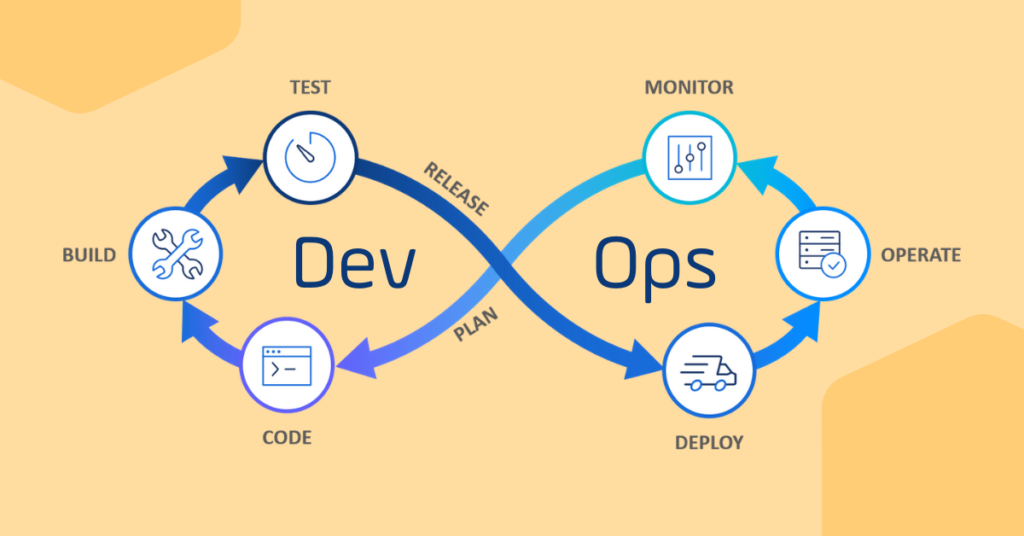
The Certified DevOps Professional (CDP) is an elite framework designed to move an organization away from “firefighting” and toward “engineering.” Technical debt is the hidden cost of doing things the wrong way to save time in the short term. Over time, this debt accumulates until the team can no longer release new features because they are too busy fixing old ones. The CDP teaches you how to pay off this debt by replacing manual, error-prone processes with robust, automated systems. It is the roadmap for turning a chaotic environment into a streamlined, high-performance machine.
Why are certifications crucial for those looking to lead a technical transformation?
In a professional landscape where everyone claims to know “DevOps,” a certification acts as a verified seal of quality. For an individual, it provides a structured, deep-dive education that prevents the “knowledge gaps” common in self-taught engineers. For a company, having a certified professional on board means having someone who follows industry-standard best practices. It gives stakeholders the confidence that the systems being built today will not become the technical debt of tomorrow.
Strategic Certification Overview
| Track | Level | Who it’s for | Prerequisites | Skills Covered | Recommended Order | Official Link |
| DevOps | Master Level | Senior Engineers, Architects, Technical Leads | Knowledge of SDLC & Linux | CI/CD, K8s, Terraform, Monitoring, Security | Professional Foundation | CDP |
Why is it important to choose a training institution that focuses on real-world application?
Theoretical knowledge is cheap; practical experience is priceless. When choosing where to earn your CDP, you must look for a provider that treats the classroom like a production environment. You need mentors who have been in the “war room” when a major site goes down and know how to fix it. A high-quality institution doesn’t just show you how a tool works; they show you how it breaks and, more importantly, how to design it so that it doesn’t break in the first place. This level of depth is what separates a technician from an architect.
How does a community-driven ecosystem support your long-term engineering career?
The best engineering minds never stop learning from each other. An institution that offers a lifetime community and a regularly updated library is providing you with an insurance policy for your career. Technology moves at a staggering pace, and having a trusted network where you can discuss new tools, security threats, and architectural patterns ensures that your CDP remains relevant long after you pass the exam. It turns a one-time certification into a lifelong professional advantage.
Deep-Dive: The CDP as an Efficiency Engine
What specific technical mastery is expected of a Certified DevOps Professional?
The CDP is an intensive validation of your ability to manage the “Full-Stack” of delivery. It starts with a cultural understanding of shared responsibility and ends with the implementation of complex, self-healing infrastructures. You are expected to move beyond the basics of “running a tool” and move into the realm of “architecting a solution.” This means knowing how to pick the right tool for the specific business problem and integrating it seamlessly into the existing environment.
Who should be pursuing this level of technical expertise right now?
This track is specifically designed for the “High-Impact” engineer. It is for the developer who sees the bottlenecks in the release process and wants to fix them permanently. It is for the system administrator who is tired of manual server patching and wants to move into the world of Infrastructure as Code. It is also a vital path for technical leaders who need to understand the modern “Efficiency Mindset” to steer their departments away from legacy waste and toward cloud-native agility.
What are the primary technical pillars you will master during the CDP journey?
- Infrastructure as Code (IaC) Mastery: You will learn to use tools like Terraform to treat your data center as a software project, allowing for versioning, testing, and rapid replication.
- Container Orchestration at Scale: You will move beyond simple Docker containers and master the art of Kubernetes, learning how to manage thousands of application instances across a global cluster.
- Continuous Reliability (CI/CD): You will learn to build pipelines that don’t just “deploy code,” but also perform automated quality gates, security scans, and performance benchmarks.
- Observability & Proactive Monitoring: You will gain the skills to build “Transparent Systems” where every metric and log is used to predict and prevent failures before they impact the user.
- Security Integration (DevSecOps): You will learn how to bake security into the very foundation of the automation process, ensuring that speed never compromises the safety of the application.
What real-world engineering outcomes can you deliver after certification?
- Eliminating Release Anxiety: You will be able to implement “Canary” and “Blue-Green” deployments, allowing the company to test new features on a small group of users before a full rollout.
- Achieving Massive Scalability: You will have the skills to build systems that automatically grow to handle millions of requests during a peak event and shrink back down to save costs when the event is over.
- Hardening System Security: By automating vulnerability scans and compliance checks, you will ensure that the infrastructure is always protected against the latest industry threats.
What is the “7–14 Days” Sprint for senior professionals?
How can a veteran engineer prove their skills in a short window?
This plan is for those who have been doing the work but lack the formal title. Spend the first week strictly on the official CDP terminology and the “Cultural” pillars of the framework. Spend the second week in the cloud labs, focusing specifically on Kubernetes and Terraform—the two tools where even veterans often have knowledge gaps. Use the final 48 hours to complete a comprehensive mock exam to ensure your practical speed meets the certification requirements.
What is the “30-Day Professional” growth roadmap?
How do you balance a demanding job with high-level technical study?
This is the most balanced approach for working pros.
- Days 1-7: Master Version Control and the logic of CI/CD. This is the foundation of the delivery pipeline.
- Days 8-15: Dive into Containerization. Build, break, and fix Docker environments until it becomes second nature.
- Days 16-23: Master Kubernetes and Orchestration. This is where you learn to manage scale and high availability.
- Days 24-30: Focus on Infrastructure as Code and Security. Wrap up by building a full “End-to-End” project that combines every tool.
What is the “60-Day Mastery” plan for those entering the field?
How can you move from a different IT background into a DevOps role?
You must start with the “Basics” or you will fail later.
- Month 1: Focus entirely on Linux, Networking, and Shell Scripting. If you cannot navigate a server via the command line, you cannot automate it.
- Month 2: Introduce the automation tools one by one. Spend two weeks on CI/CD (Jenkins), and two weeks on Orchestration (Kubernetes). Dedicate the final 10 days to a “Capstone Project” where you take a raw application and build the entire automated factory around it.
What are the common preparation mistakes that lead to failure?
Why do some engineers struggle with the practical side of the CDP?
The most frequent mistake is “Conceptual Over-Learning.” This is when an engineer reads every book but never touches the keyboard. DevOps is a trade; you must practice it. Another mistake is ignoring “Network Fundamentals.” If you don’t understand how DNS or IP routing works, you will never be able to troubleshoot a broken Kubernetes cluster. Finally, don’t ignore the “Culture.” If you try to implement tools in a toxic team environment, the tools will fail every time.
What is the logical career path after earning your CDP?
Where does your career go once you are a certified expert?
- The SRE Path: Move toward Site Reliability Engineering if you love the technical challenge of keeping massive, high-traffic systems online.
- The Security Path: Move toward DevSecOps if you want to become a high-value specialist who protects the company’s digital assets.
- The Leadership Path: Use your technical credibility to move into a CTO or Director of Engineering role, where you can design the entire technical strategy for a company.
provider : DevopsSschool
Choosing Your Professional Specialization
How do you align your CDP journey with your long-term career goals?
- DevOps: The “Architect” track for those who want to oversee the entire software delivery machine.
- DevSecOps: The “Defender” track for those who want to specialize in high-stakes security automation.
- SRE: The “Engineer” track for those who want to master reliability and performance at a massive scale.
- AIOps: The “Futurist” track for those who want to use AI to manage the complexity of modern infrastructure.
- DataOps: The “Data Expert” track for those who want to automate the pipelines that feed the world’s decision-making engines.
- FinOps: The “Economist” track for those who want to master the financial side of cloud infrastructure.
Role-to-Certification Mapping
Which credentials will help you reach your specific career milestones?
- Software Lead: CDP + Kubernetes Application Developer (CKAD).
- Cloud Operations Manager: CDP + Professional Cloud Certifications (AWS/Azure).
- Platform Architect: CDP + Terraform Specialist + SRE Practitioner.
- Security Lead: DevSecOps Professional + Certified Cloud Security.
- Engineering VP: Certified DevOps Leader + Engineering Management Professional.
Strategic Growth Beyond the CDP
How do you ensure your skills remain in the top 1% of the industry?
I always advise my mentees to build a “Knowledge Stack” on top of their CDP.
- Core Pillar: Earn your CDP to master the fundamentals of delivery.
- Specialization Layer: Deep-dive into Advanced Kubernetes Operations. This is currently the most sought-after skill in the cloud market.
- Protection Layer: Earn your Certified DevSecOps Engineer. As cyber-threats grow, this skill becomes an insurance policy for your career.
- Influence Layer: Earn your Engineering Management Professional to learn how to translate technical success into business growth.
Institutions Supporting Your Professional Growth
Who are the best partners to help you earn your CDP?
- DevOpsSchool: The industry leader in providing practical, hands-on training that focuses on real-world engineering outcomes. They offer the most comprehensive support system for working professionals.
- Cotocus: A specialized center for those looking to master Cloud and Platform Engineering at an enterprise level.
- ScmGalaxy: A massive community-driven platform that offers a wealth of open-source resources and peer-to-peer learning opportunities.
- BestDevOps: Focuses on the organizational transformation and cultural changes required to make DevOps successful in large companies.
- devsecopsschool.com: The ultimate destination for those looking to specialize in the intersection of security and automation.
Essential FAQs for the Technical Architect
Is the CDP exam focused more on theory or lab-based scenarios?
Answer: It is heavily focused on practical scenarios. While you need to understand the concepts, the exam will test your ability to apply those concepts to solve real-world problems.
How much time should I set aside each week for the 30-day plan?
Answer: Most successful candidates find that 10-12 hours per week is the “sweet spot” to make progress without burning out.
Do I need to be a developer to understand the CDP curriculum?
Answer: You don’t need to be a full-stack coder, but you must be comfortable with the logic of programming. If you can read a script and understand an “if-else” statement, you are ready.
What is the difference between this and a vendor-specific cert like AWS DevOps Pro?
Answer: Vendor certs teach you their cloud. The CDP teaches you the engineering discipline. A CDP-certified pro can move between clouds easily because they understand the underlying principles of automation.
Will this certification help me get a remote job?
Answer: Yes. DevOps is one of the most remote-friendly roles in the world. Since everything is managed as code in the cloud, your physical location is irrelevant to your ability to do the job.
Does the CDP cover the financial optimization of the cloud?
Answer: Yes. Building “Efficient Infrastructure” is a core part of the curriculum, which is the technical foundation for FinOps.
Is there a focus on Open Source tools?
Answer: Absolutely. The modern cloud is built on Open Source. You will master tools like Git, Docker, Kubernetes, and Prometheus, which are used by almost every major tech company.
Can an Engineering Manager benefit from the CDP?
Answer: Yes. It provides managers with the “Technical Literacy” needed to set realistic deadlines, hire the right talent, and understand the roadblocks their teams face.
How does DevOpsSchool handle lab support?
Answer: They provide 24/7 access to cloud labs and have a dedicated team of technical support mentors to help you when you get stuck on a complex configuration.
Is the CDP recognized in European and North American markets?
Answer: Yes. The CDP is based on global industry standards (like the DORA metrics), making your skills transferable and respected worldwide.
What is the most difficult part of the CDP exam?
Answer: For most, it is the Kubernetes and Orchestration section because it requires a deep understanding of networking and state management.
Should I learn Python or Bash before starting?
Answer: Having a basic grasp of either will help, but the course will provide you with the specific scripting knowledge you need for the labs.
Success Stories from the Field
Tushar
“After twenty years in traditional IT, I felt the world was moving past me. The CDP at DevOpsSchool was the reset button I needed. I’m now a Lead Platform Architect at a major bank, and I feel more relevant than ever.”
Sneha
“I used to struggle with the ‘silos’ between my dev team and the ops team. The CDP gave me the cultural framework and the technical tools to bridge that gap. We now deploy five times faster than we did last year.”
Harish
“I’ve taken many courses, but the hands-on labs in this program were the most realistic I’ve ever seen. I encountered an outage at work that was almost exactly like one of our labs—I was able to fix it in minutes.”
Tanvi
“The transition to SRE was made much smoother by the CDP. It filled in the gaps I had in my infrastructure knowledge and gave me the confidence to handle high-traffic environments.”
Mayank
“As a manager, the CDP helped me understand what my team was actually doing. I can now speak their language, which has improved our planning sessions and significantly reduced our project delivery times.”
Conclusion
The Certified DevOps Professional (CDP) is the ultimate solution for engineers and managers who are tired of technical debt and manual waste. It provides a clear, high-yield roadmap to mastering the most important skills in the modern cloud economy. By focusing on efficiency, automation, and reliability, you aren’t just earning a certification—you are becoming the “Architect” of your company’s future and your own career success. Stop fighting fires and start building systems. Your journey into the elite world of DevOps starts today.