1. Introduction
Choosing the right cardiac facility is one of the most consequential decisions you will ever make, as the intersection of surgical precision, advanced diagnostic technology, and patient-centered care determines the success of your recovery. Navigating the global medical landscape can feel overwhelming, with patients often caught between generic marketing promises and the clinical reality required for complex heart procedures. Comparing hospitals based on standardized, verifiable metrics—such as surgeon specialization, multi-disciplinary heart team structures, and post-operative infrastructure—is essential for ensuring peace of mind and optimal outcomes. By centralizing high-level data on elite cardiac centers, pioneering technologies, and comprehensive medical tourism frameworks, BestCardiacHospitals.com simplifies this complex research process, providing the clarity and authority you need to evaluate your options with absolute confidence.
2. Why Choosing the Best Cardiac Hospital Matters
Selecting the best cardiac hospital matters because specialized centers offer more than just a place for surgery; they provide an ecosystem of care designed to optimize patient recovery and safety. Facilities that focus heavily on heart health often boast lower complication rates, faster recovery times, and superior emergency protocols that can be life-saving during critical procedures. These centers employ multidisciplinary teams where cardiologists, surgeons, and intensivists collaborate, ensuring that every aspect of the patient’s condition is managed by experts. Beyond the technical skill, a top-tier hospital provides robust cardiac rehabilitation, which is crucial for returning to a high quality of life. Conversely, choosing a facility without specialized cardiac infrastructure may lead to fragmented care, longer hospital stays, and potentially higher risks for post-surgical infections or complications.
Hospital Capability Comparison
| Feature | Average General Hospital | Specialized Cardiac Center |
| Cardiac Expertise | General practice | Dedicated heart team approach |
| Technology | Basic diagnostics | Advanced hybrid ORs & robotics |
| ICU Care | General ICU | Specialized Cardiac ICU (CICU) |
| Emergency Response | Standard ER | 24/7 Cardiac Cath Lab team |
| Recovery Support | Minimal | Integrated cardiac rehab programs |
| Success Rates | Variable | High-volume standardized outcomes |
3. What Makes a Hospital One of the Best Cardiac Hospitals?
Identifying the best cardiac hospitals requires a deep dive into the infrastructure and human capital that define a center of excellence. A truly superior facility is characterized by a high volume of successful procedures, which often translates to a highly practiced and efficient surgical team.
Critical Components of Excellence:
- Expert Specialists: The presence of board-certified cardiac surgeons, interventional cardiologists, and electrophysiologists who specialize in complex cases.
- Advanced Technology: Access to hybrid operating rooms, robotic heart surgery suites, and high-resolution imaging equipment.
- Cardiac-Specific ICU: A dedicated unit staffed by nurses and doctors trained specifically in managing cardiac arrest, post-surgical recovery, and heart failure.
- Comprehensive Diagnostics: Fast-track access to cardiac catheterization, PET/CT, and advanced echocardiography.
- Infection Control: Strict, documented protocols that maintain minimal post-surgical infection rates, a key metric for surgical success.
- Rehabilitation Services: On-site or partnered programs that guide patients through physical and lifestyle changes post-treatment.
Hospital Evaluation Checklist
Use this checklist to assess any facility you are considering:
- Does the hospital have international (JCI) or national (NABH) accreditation?
- Is there a 24/7 cardiac emergency response team available?
- Does the hospital offer minimally invasive or robotic surgery options?
- What are the specific volume numbers for the procedure you need?
- Is there a dedicated Cardiac ICU (CICU)?
- Does the hospital provide comprehensive international patient support?
- Are there transparent success rate metrics available?
- Does the heart team include rehabilitation specialists?
4. How BestCardiacHospitals.com Helps Patients Compare Hospitals
BestCardiacHospitals.com functions as a comprehensive resource designed to bridge the gap between complex medical information and patient needs. Rather than providing a static list, the platform enables users to actively research and compare facilities based on their specific medical requirements. By consolidating data on hospital infrastructure, surgeon qualifications, and technology, the platform allows patients to view hospitals through the lens of procedure-specific expertise. Users can explore how different hospitals approach treatments like bypass surgery or valve replacements, compare the availability of robotic-assisted technologies, and understand the nuances of cardiac care across different geographic locations. Furthermore, the platform offers insights into medical tourism, providing a roadmap for international patients seeking quality care abroad. This structured approach allows individuals to move beyond advertisements and make evidence-based decisions, ensuring they feel secure in the facility they select for their heart health.
5. Best Cardiac Hospitals Around the World
The global landscape of heart care is vast, with different countries offering unique advantages. India has emerged as a leader in high-quality, cost-effective cardiac surgery, particularly for bypass and valve replacement procedures. The United States continues to be a hub for experimental procedures and highly specialized heart failure treatments, utilizing the latest in robotic technology. Germany is renowned for its precision engineering and highly structured medical training systems, often attracting patients for complex thoracic surgeries. Singapore is recognized for its exceptional standards of clinical safety and efficiency, often serving as a hub for regional patients in Asia. Japan focuses on meticulous diagnostic processes and innovative interventional techniques. South Korea has become a preferred destination due to its rapid adoption of new technologies, while Turkey offers a blend of European clinical standards and accessible medical tourism infrastructure.
6. Best Cardiac Hospitals in India
India has established a global reputation for cardiac care, largely due to the convergence of highly experienced surgical teams and state-of-the-art medical technology. When evaluating hospitals in India, patients should look for those that have invested in the latest hybrid operating rooms and advanced robotic systems. It is essential to look for facilities that carry JCI (Joint Commission International) or NABH (National Accreditation Board for Hospitals & Healthcare Providers) accreditation, as these serve as benchmarks for quality and safety. Beyond the hardware, the best institutions provide a “Heart Team” approach, where a patient is reviewed by a group of specialists to determine the most effective, least invasive treatment plan. Patients should also evaluate the level of international patient support, ensuring that the hospital has dedicated departments to handle visas, local logistics, and long-term follow-up communication.
7. Best Cardiac Surgeons in India
A hospital is only as good as the surgeons leading its departments. Choosing the right surgeon is as important as choosing the hospital itself. When researching, look for surgeons who hold advanced fellowships and possess significant experience in the specific procedure you require. A top-tier surgeon will often work as part of a larger, coordinated team, ensuring that care is seamless from the initial consultation through to the final follow-up. They should be willing to discuss their experience, explain the risks and benefits of the procedure, and provide a clear recovery roadmap.
Questions to Ask Your Surgeon:
- How many times have you performed this specific procedure in the last year?
- What is your approach to minimally invasive techniques for this condition?
- Can you explain the potential risks and your standard protocols for managing them?
- Who else is on the care team, and how do we communicate during recovery?
- What should I expect in terms of rehabilitation and lifestyle changes?
- Can you provide a clear view of the post-operative recovery timeline?
8. Best Hospitals for Specific Heart Procedures
Expertise in cardiology is often procedure-specific. A hospital might be world-class for pediatric cardiac surgery while having a different focus for adult bypass surgery.
- Bypass Surgery (CABG): Look for hospitals with high volumes of off-pump or minimally invasive bypass surgeries.
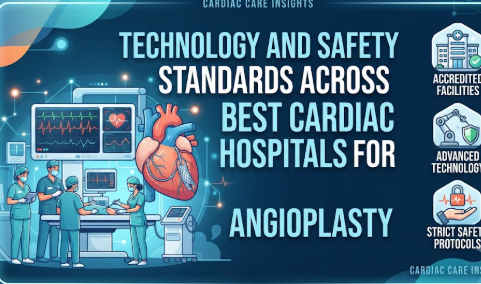
- Angioplasty: Prioritize centers with high-speed catheterization labs and a 24/7 team of interventional cardiologists.
- Valve Replacement: Focus on hospitals that offer both TAVR (transcatheter aortic valve replacement) and traditional surgical valve repair.
- Robotic Heart Surgery: Seek out centers that have specific robotic surgical suites and a team certified in robotic techniques.
- Heart Failure Treatment: Evaluate hospitals that have dedicated heart failure clinics and access to advanced therapies like ECMO or VAD implants.
- Pediatric Cardiac Surgery: This requires highly specialized infrastructure, including neonatal ICU capabilities and specialized pediatric perfusionists.
9. Heart Surgery Cost in India
Understanding heart surgery costs in India requires looking beyond the surgical fee. The total investment includes a comprehensive range of medical services designed to ensure patient safety and long-term success. It is important to remember that lower costs do not imply lower quality; rather, they are often a result of efficient healthcare systems, lower operational overheads, and high-volume clinical practice.
Sample Cost Component Table
| Component | What it Covers |
| Pre-op Diagnostics | Blood work, Echo, ECG, Angiography |
| Surgeon & Team Fees | The primary surgeon, assistants, and anesthesiologist |
| Operating Room | Equipment, specialized tech, and disposables |
| ICU/Hospital Stay | Nursing care, room charges, and continuous monitoring |
| Medication | All drugs administered during the stay |
| Post-op Rehab | Initial physical therapy and follow-up guidance |
10. Medical Tourism for Heart Surgery in India
Medical tourism in India has matured into a seamless experience for international patients. Most leading cardiac hospitals in major cities like New Delhi, Mumbai, Bengaluru, and Chennai have dedicated international patient departments. These departments act as a single point of contact for medical visa assistance, airport transfers, accommodation, and translator services.
Patient Journey Roadmap:
- Initial Research: Use platforms to compare hospital expertise and surgeon credentials.
- Virtual Consultation: Connect with the chosen hospital via video to discuss medical reports.
- Treatment Plan: Receive a comprehensive, transparent quote and an estimated stay duration.
- Travel Logistics: Use hospital coordinators for visa support and arrival planning.
- Surgery & Recovery: Undergo treatment with local support, followed by initial recovery.
- Follow-up: Arrange for long-term follow-up with your local doctor, coordinated by your hospital.
11. Hospital Comparison Checklist
When finalizing your decision, keep this checklist handy to ensure you have covered every base:
- Accreditation: Is the facility JCI/NABH recognized?
- Technology: Is there access to robotic/minimally invasive equipment?
- ICU Quality: Is there a dedicated Cardiac ICU with 24/7 specialized staff?
- Specialty Depth: Are there sub-specialists for your specific heart condition?
- Surgeon Experience: Is the surgeon a specialist in the required procedure?
- Emergency Infrastructure: Is the ER capable of handling acute cardiac events?
- Rehabilitation: Are there structured, follow-up programs?
- International Support: Is there a department for international travel and care?
- Transparency: Are costs and success rates communicated clearly?
- Communication: Is there easy access to telemedicine for consultations?
12. Common Mistakes Patients Make
Many patients rush their decision-making process, leading to avoidable complications. One of the biggest mistakes is choosing a hospital based solely on the lowest price, which may ignore the critical need for experienced specialists or modern backup equipment. Another common error is failing to request a second opinion, even when the diagnosis is complex. Patients often overlook the importance of cardiac rehabilitation, assuming the surgery is the end of the journey, when in reality, the recovery phase is equally critical to long-term health. Finally, failing to verify the surgeon’s specific experience with the required procedure—rather than just their general tenure—can lead to suboptimal outcomes. Always prioritize transparency and evidence over marketing promises.
Mistakes to Avoid:
- Choosing the cheapest option without verifying quality.
- Ignoring surgeon specialization.
- Skipping accreditation verification.
- Neglecting to plan for post-operative rehabilitation.
- Failing to ask about specific surgical success rates.
- Selecting a hospital solely because of an advertisement.
- Not considering the availability of follow-up care.
13. Real Patient Scenarios
Scenario 1: A patient requiring a complex valve replacement looked for a hospital with specific robotic capabilities. By comparing facilities, they identified a center with a dedicated valve clinic and a surgeon with over 20 years of experience in minimally invasive techniques, leading to a faster-than-expected recovery.
Scenario 2: An international patient seeking bypass surgery evaluated three hospitals in India. They compared the “all-inclusive” packages and the accessibility of international patient coordinators. By choosing a facility that prioritized pre-travel virtual consultations, the patient felt more prepared and less anxious about the logistics.
Scenario 3: A patient with multiple heart conditions chose a hospital based on its multidisciplinary “Heart Team” approach. The collaboration between their cardiologist, endocrinologist, and surgeon ensured that their diabetes was managed alongside their heart surgery, resulting in a safer overall clinical outcome.
14. Frequently Asked Questions
1. What makes a cardiac hospital the best?
The best cardiac hospitals combine experienced surgical teams, advanced diagnostic technology, and a dedicated heart-team approach to patient care.
2. How do I compare cardiac hospitals?
Focus on accreditation (JCI/NABH), availability of specialized technology, surgeon experience, and the presence of dedicated cardiac ICUs.
3. Is India a good destination for heart surgery?
Yes, India is a premier destination, offering world-class surgical expertise, advanced technology, and comprehensive support for international patients.
4. What should I ask before choosing a hospital?
Ask about the surgeon’s experience with your specific procedure, the facility’s infection rates, and what post-operative support is included.
5. How do I compare cardiac surgeons?
Evaluate their fellowships, procedure-specific volume, communication style, and their integration within a multidisciplinary team.
6. Which hospital is best for bypass surgery?
The best hospital for you is one that has a high volume of off-pump or minimally invasive bypass surgeries and excellent ICU support.
7. Which hospital is best for angioplasty?
Look for centers with 24/7 cath labs, highly experienced interventional cardiologists, and advanced diagnostic imaging.
8. What affects heart surgery costs?
Costs are influenced by the complexity of the procedure, hospital stay duration, ICU requirements, surgeon fees, and the level of post-operative care needed.
9. How do international patients plan treatment in India?
Most hospitals have international patient departments that help with visas, medical consultations, local accommodation, and interpreter services.
10. What services should I expect from a cardiac hospital?
Expect comprehensive care, including pre-operative diagnostics, expert surgical intervention, specialized ICU monitoring, and structured cardiac rehabilitation.
11. Is robotic heart surgery better?
Robotic surgery can offer smaller incisions and faster recovery, but its suitability depends on your specific condition and your surgeon’s expertise.
12. Why is accreditation important?
Accreditation ensures that a hospital meets rigorous international or national standards for patient safety and quality of care.
13. What is a “Heart Team” approach?
It is a model where different specialists (surgeons, cardiologists, etc.) collaborate to create a personalized, safe, and effective treatment plan.
14. Do I need cardiac rehabilitation?
Yes, cardiac rehabilitation is essential for restoring physical function, managing lifestyle changes, and ensuring long-term heart health.
15. Can I get a second opinion online?
Yes, most top cardiac hospitals offer telemedicine services, allowing patients to share records and consult with specialists remotely.
15. Conclusion
Securing the best possible outcome for your heart health begins with an informed selection process, where the quality of the institution is matched carefully to your specific medical requirements. By prioritizing facilities that emphasize multidisciplinary collaboration, high surgical volumes, and robust rehabilitation pathways, you move beyond the uncertainty of guesswork and toward a foundation of clinical excellence. Remember that the right hospital does more than perform a procedure; it acts as a partner in your long-term wellness, providing the expertise and supportive environment necessary for a smooth recovery. BestCardiacHospitals.com remains your primary resource for simplifying these complex choices, bringing together essential details on surgeons, costs, and care destinations to ensure your path to health is built on evidence and trust.